Blog

2022: The Year of Ransomware

It's no secret that the last few years have been especially dire when it comes to cybercrime. Several large scale ransomware attacks, in which cyber criminals use advanced encryption to lock a person or organization out of their own data until they pay a ransom, have rocked the country.

Getting Rid of Old Hardware

Quick Announcement: We're changing gears today. Moving forward, we'll be focusing on general IT issues as they relate to the local Cincinnati, tri-state area. Stay tuned.

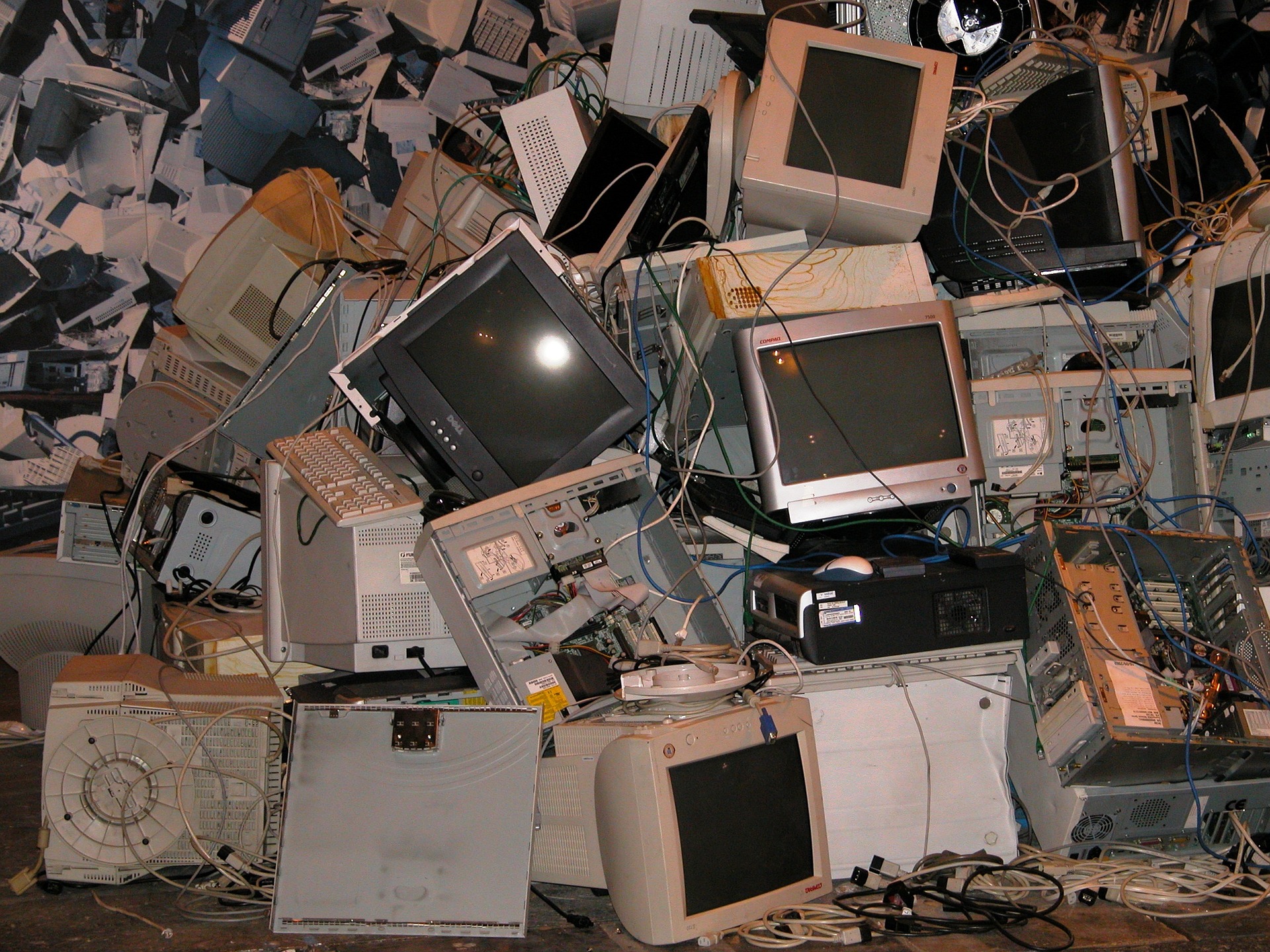
Marc Saltzman, in a special column for USA Today, recently explored different methods for getting rid of old hardware.

Planning in the Age of 24/7 Distribution

Quick announcement: The day after we published our post on the chip shortage, Intel unveiled plans to build a new chip manufacturing facility in Ohio, which they claim will be the largest in the world. For more information, check out this story in  City Beat magazine.

Chip Shortages & U.S. Manufacturing

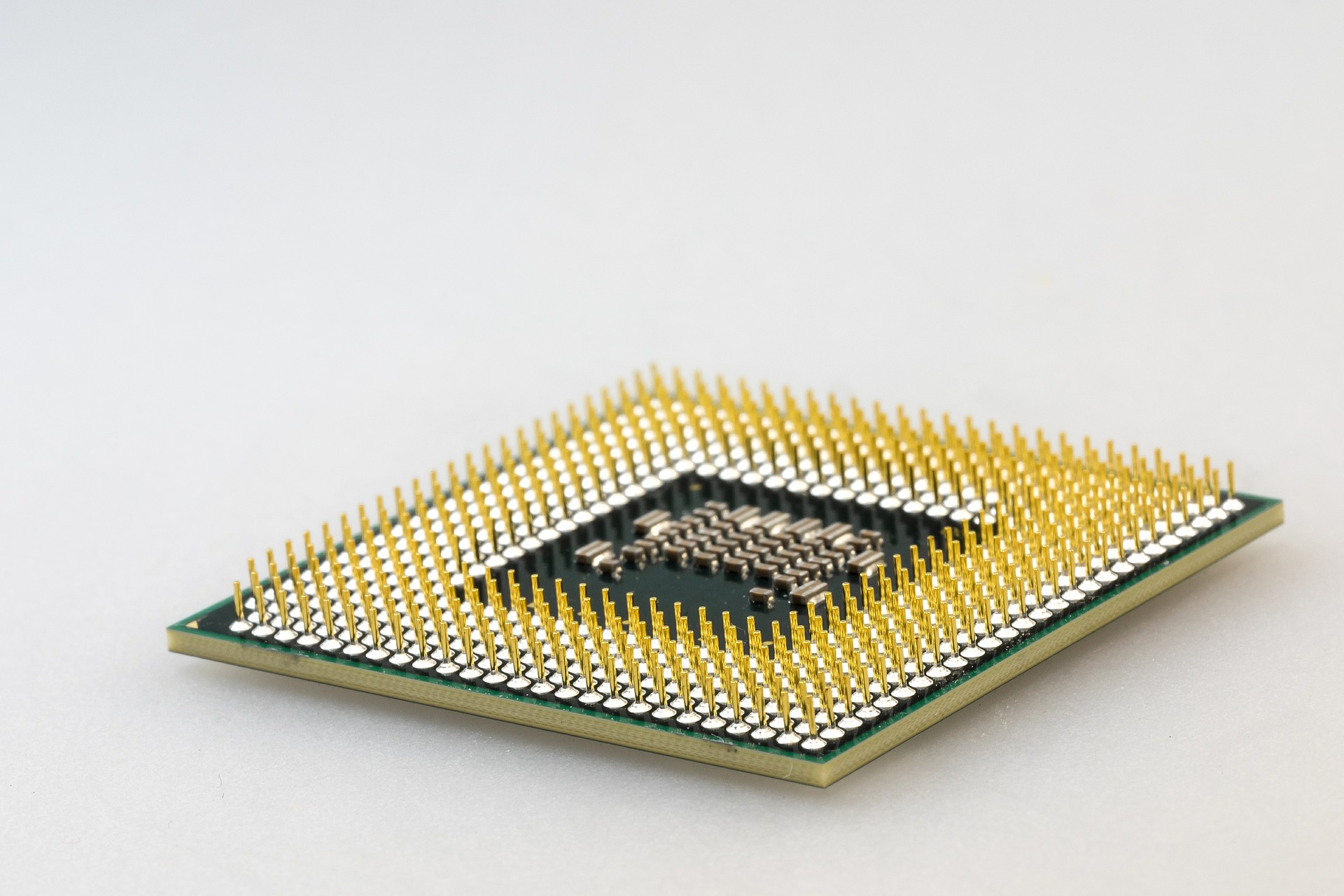
At the risk of rehashing old news, the world is currently in the throes of a computer chip shortage, due in large part to stresses put on global supply chains by the COVID-19 pandemic. Stephen Shankland, a staff writer at CNET, wrote a helpful summary about the issue this week.

Making the Best of Manufacturing KPIs

KPIs, or key performance indicators, are quantifiable measures of a company's performance over an interval of time. KPIs vary from sector, company, and even department; but there are some recurring patterns when it comes to categorizing KPIs. The most common kinds of KPIs measure finances in someway--revenue growth, cash flow, profit margins, and so on.

The Asset-Light Business Model

The internet of things (IoT) has brought about numerous changes in the manufacturing sector. Perpetually connected devices within a firm's operations enable greater security, expanded automation, insights into efficiency and safety, as well as a greater degree of planning and organization than in the age of paper.

Data Lakes & Manufacturing

Innovations in industrial technology can make an operation more efficient and--potentially--more profitable. This is especially true when it comes to data collected and used both on the factory floor and the administrative office. One of the risks, however, with this new reliance on digital data is over-accumulation of large amounts of unused or inaccessible data in a firm's data lake.

Innovation Hesitation: The Valley of Death

At the end of last month, Industry Week published the final installment of a series that predicted likely challenges for the manufacturing sector in 2022. The article features Don Deptowicz, president of Aspen Hybrid Technology Solutions, who focuses on something called the transition to manufacturing gap.

The Internet of Things

We've covered both smart factories and industry 4.0 in recent posts. Yet, both of these phenomena are industry specific variations of a much larger technological trend that could disrupt both manufacturing and everyday life. Usually called the internet of things (IoT), this label describes the use of internet-connected hardware in the real world, which then uses a network's signal to communicate with other hardware in the environment.

The New Industrial Revolution

Last week, we discussed the rise of smart factories, which are modern day manufacturing operations that use top of the line computing and technology to streamline their operations. In truth, however, smart factories are but one aspect of something much larger and more significant--something that has come to be known as the fourth industrial revolution or industry 4.0. The concept was first coined and explored by World Economic Forum founder, Klaus Schwab, in his aptly titled 2017 book.